Unlock GPU Capabilities: Comprehending Specs Completely
Within the constantly changing world of technology, understanding the specifications of your GPU is vital for maximizing its full potential. Whether you are a gamer seeking the best performance or a specialist looking to handle demanding graphic tasks, a solid grasp of GPU specs can make all the difference. As the demand for premium visuals and smooth processing continues to rise, knowing how to understand these specifications will help you make informed decisions when enhancing or purchasing a latest graphics card.
The realm of GPUs is extensive, with various models and manufacturers offering a wide range of features. From core clock speeds to memory bandwidth and architecture types, each specification plays a crucial role in determining how well a GPU performs under different workloads. By delving into the details of GPU specs, you can more effectively understand how to meet your unique requirements, whether for gaming, design, or data processing. Understanding these elements not just empowers you to select the right product but also enables you to maximize the most out of the hardware you choose.
Key Components of GPU Specs
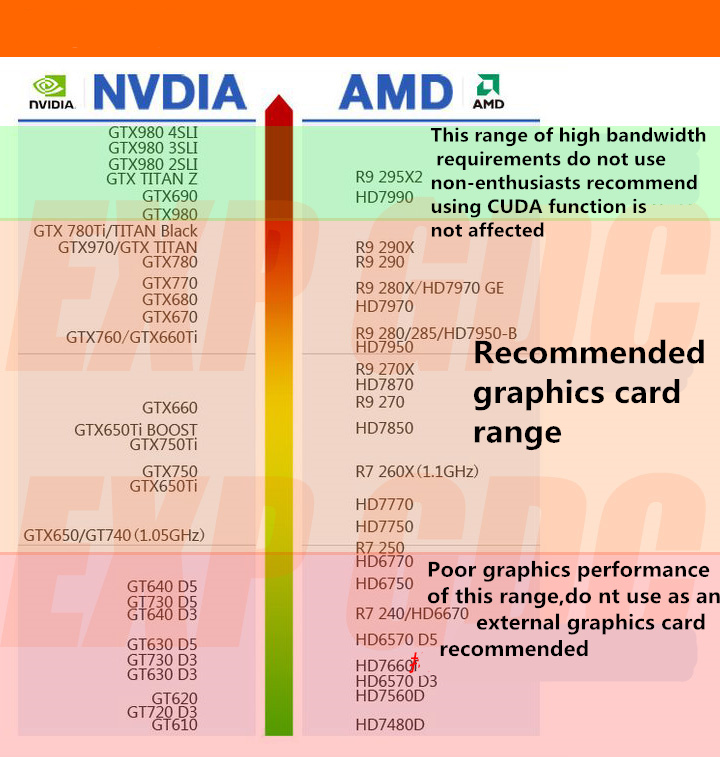
When evaluating GPU specifications, one key element to consider is the core architecture. The architecture determines how the GPU manages tasks and communicates with the rest of your setup. Various designs offer varying levels of efficiency and performance. For instance, newer architectures might offer superior energy efficiency, enhanced computational capabilities, and support for next-gen features such as ray tracing or AI-driven tasks.
A further important aspect of GPU specifications is the type and capacity of memory. The memory capacity affects the data load the GPU can process concurrently, which is particularly crucial in 4K gaming and professional rendering tasks. Increased memory bandwidth can also improve performance by raising the data transfer rate between the GPU and its memory. Familiarizing yourself with memory types, such as GDDR5, can be useful in evaluating the performance potential of a GPU.
Moreover, clock speed, or the frequencies at which the GPU operates, plays a vital role in establishing performance. Measured in megahertz or gigahertz, clock speed shows how fast the GPU can perform tasks. Although faster clock speeds can enhance performance, they cannot be the only deciding factor in making a decision. Architecture and memory also heavily influence overall GPU capabilities, meaning that a well-rounded understanding of these specifications is crucial for making an informed choice.
Interpreting Performance Metrics
As evaluating GPU specs, clock speed is among the first metrics to take into account. Expressed in megahertz or gigahertz, clock speed reflects how quickly the GPU can process data. Although higher clock speeds may lead to improved performance, it is crucial to note that this metric is not the sole indicator of a GPU's performance. Heat management and design also have important roles in actual performance results.
A further important metric is the quantity of cores within the GPU. These cores, known as CUDA cores in NVIDIA GPUs or stream processors in AMD GPUs, are responsible for executing tasks and calculations. gpuprices.ai suggests superior parallel processing capabilities, enabling the GPU to handle more tasks at once. However, the efficiency and performance of these cores can differ based on the GPU architecture, necessitating to evaluate this metric in the context of the overall design.
Lastly, memory bandwidth is an essential factor to weigh when analyzing GPU specifications. It defines how quickly data can be moved to and from the GPU’s memory. Increased memory bandwidth enables faster access to data, which can greatly impact performance in memory-intensive applications such as gaming or rendering. To get a complete picture of a GPU's potential, it’s vital to take into account all these performance metrics in relation with each other, instead of treating them.
Selecting the Appropriate GPU for Your Needs
When choosing a GPU, it is important to think about your intended use case. For gaming, seek out specifications like fast clock speeds and ample VRAM, because they will enhance your gaming experience. For creative work like video editing or 3D rendering, focus on GPUs that offer strong performance in parallel processing and can handle large datasets effectively. Being aware of the types of tasks each GPU excels at will help you make a better decision.
Another key factor is the compatibility of the GPU with your existing system. Prior to making a purchase, check your motherboard and power supply specifications to confirm the GPU will work and function correctly. Additionally, consider the physical size of the GPU, because high-end models can be quite large and may not fit in all cabinets. Always verify the power requirements to prevent any performance issues once installed.
At last, budget plays a major role in your choice of GPU. High-performance models often come with a elevated price tag, so it’s important to balance performance with affordability. Review the specifications you think necessary and compare different models within your budget. This scrutiny will help narrow down your options, making sure you pick a GPU that meets your needs without straining the bank.